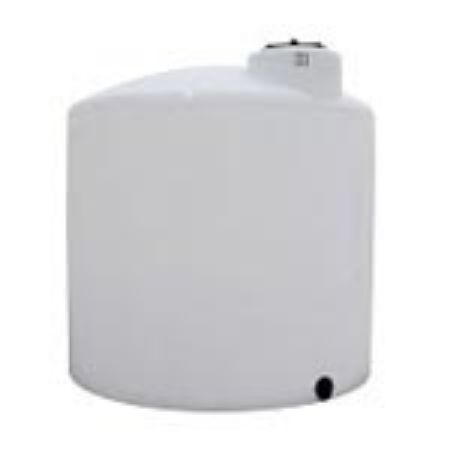
 Vertical Closed Top Storage Tanks
 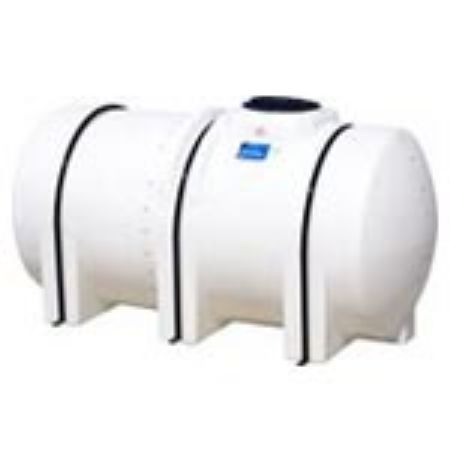 Free Standing Horizontal Tanks
  Rectangular Utility Tanks
 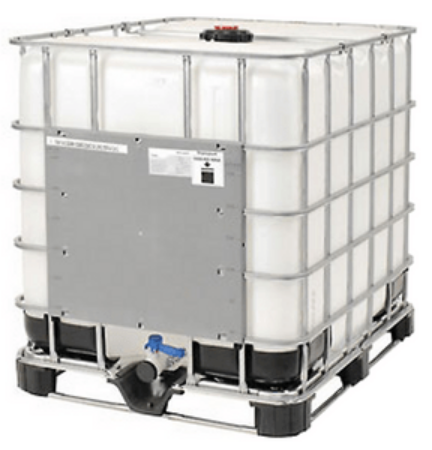 1000 Litre IBC Tanks (Cage Tote)
 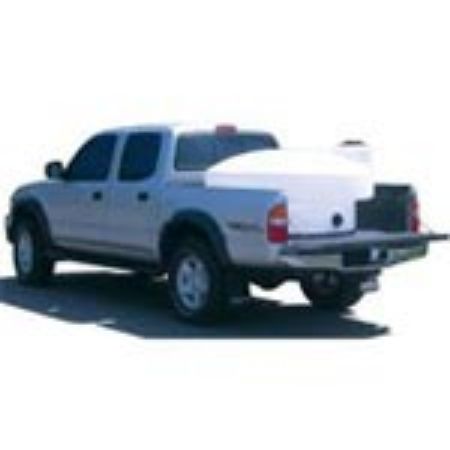 Pick up Tanks
 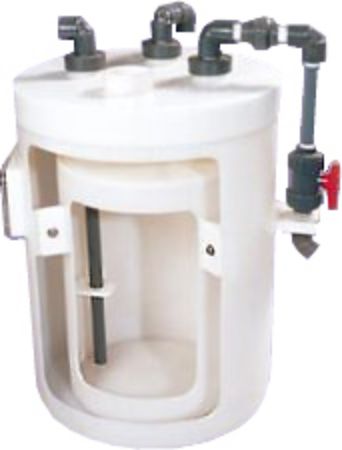 Double Wall Tanks
 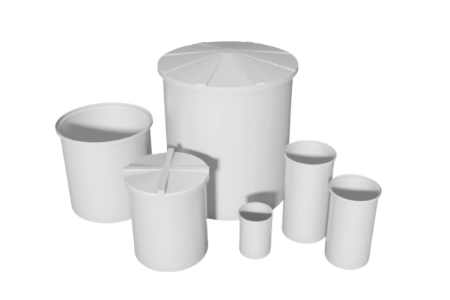 Vertical Open Top Storage Tanks
 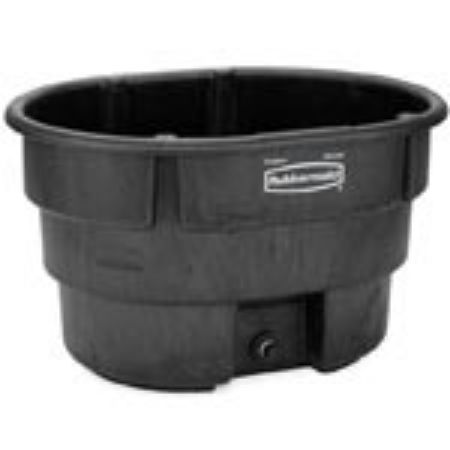 Plastic Water Stock Tank
 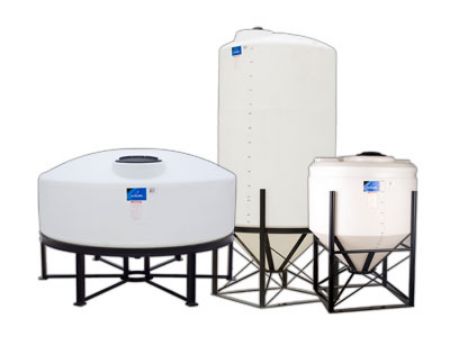 Cone Bottom Tanks - Closed Top Plastic Tanks
 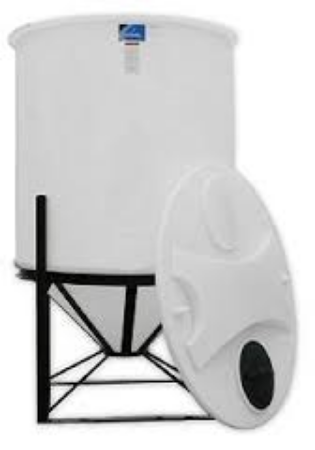 Cone Bottom Tanks - Open Top Plastic Tanks
 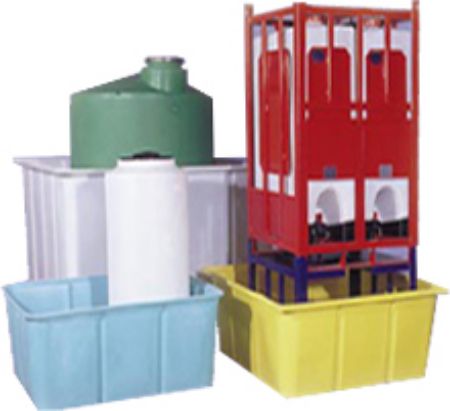 Secondary containment basins
 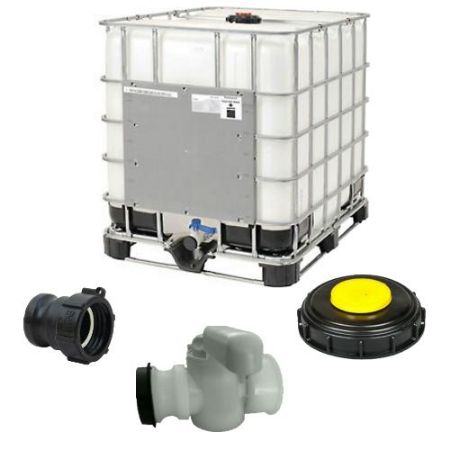 Cage Tank Parts (IBC Tote)
 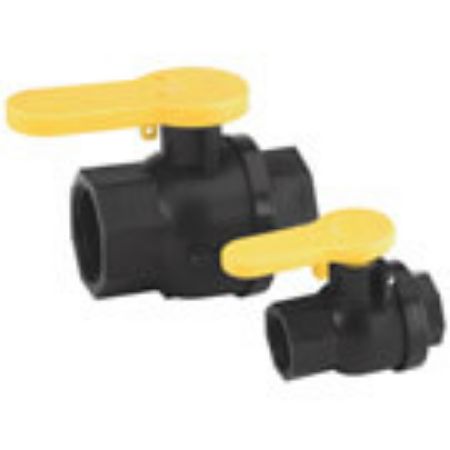 Polypropylene and PVC Ball Valves
 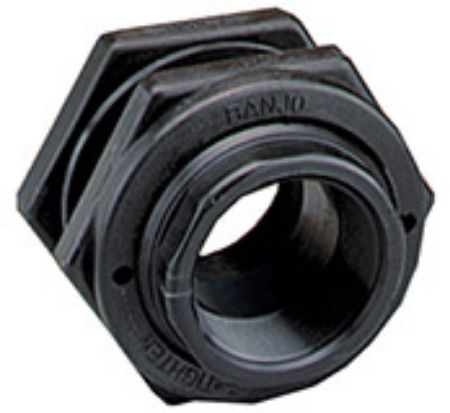 Polypropylene and PVC Tank Fittings
 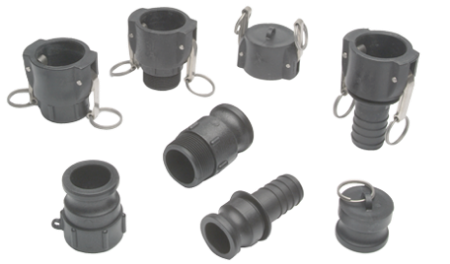 Camlock Fittings
 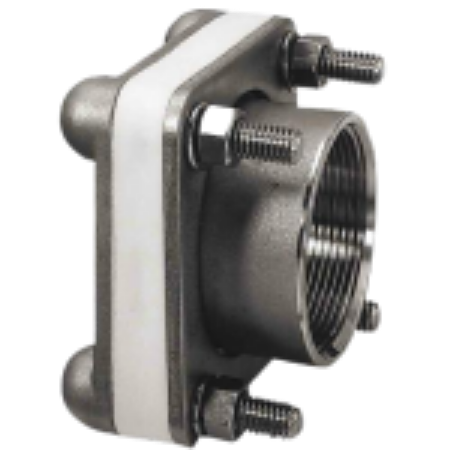 Stainless Steel Bolted Fitting
 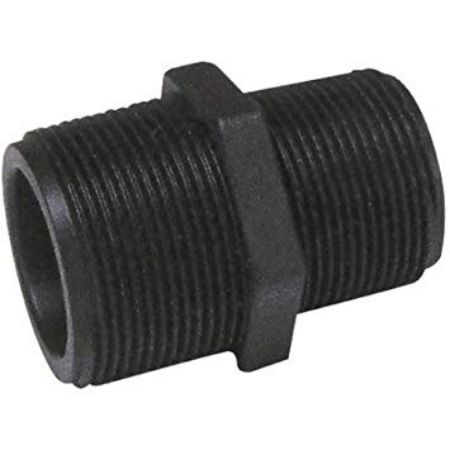 Polypropylene Threaded Reducer Nipples
 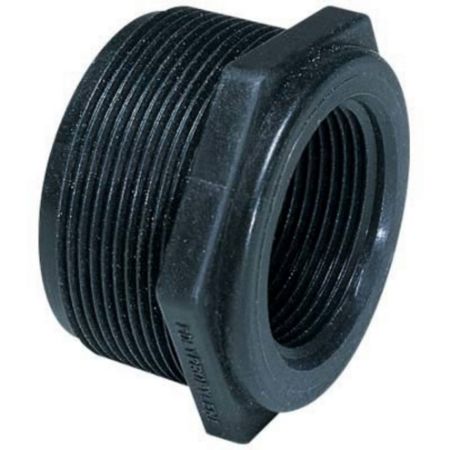 Polypropylene Threaded Reducer Bushings
 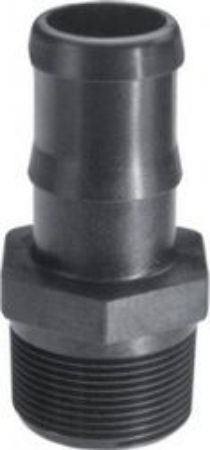 Hose Barb Fitting Adapter
 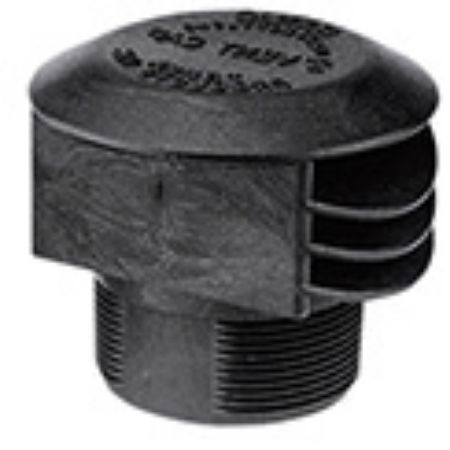 Vent Caps
 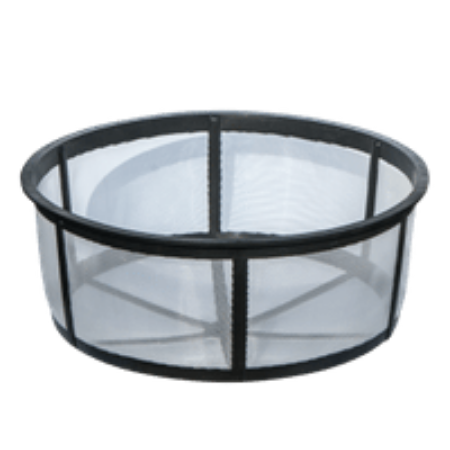 Filter Strainer Baskets
 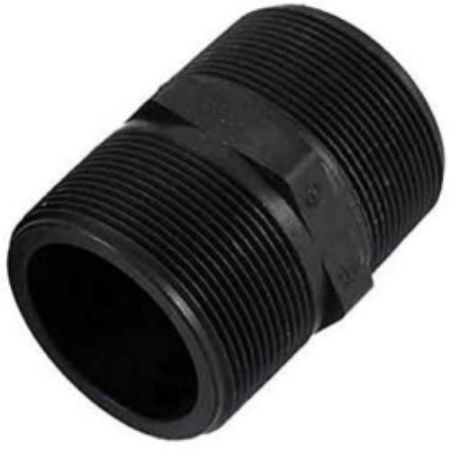 Threaded Pipe Nipples
 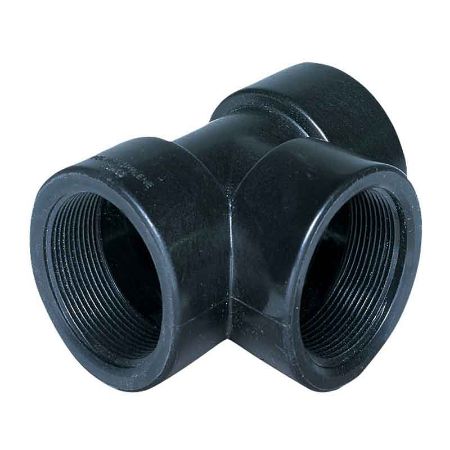 Polypropylene Tee Fitting, NPT Female Thread
 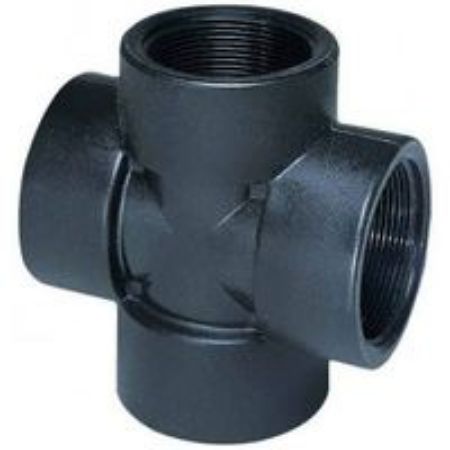 Polypropylene Cross Fitting, NPT Female Thread
 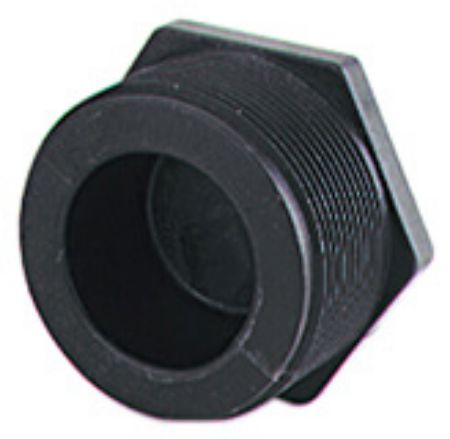 Drain Plugs
 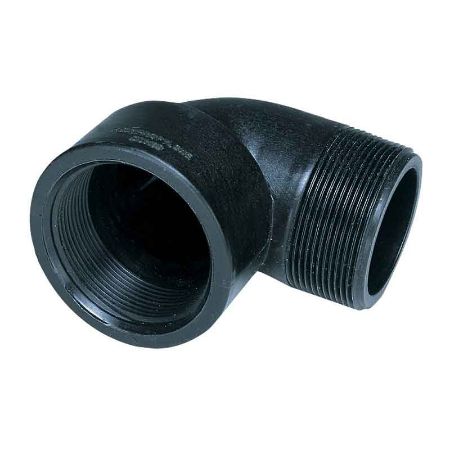 Elbow fittings
 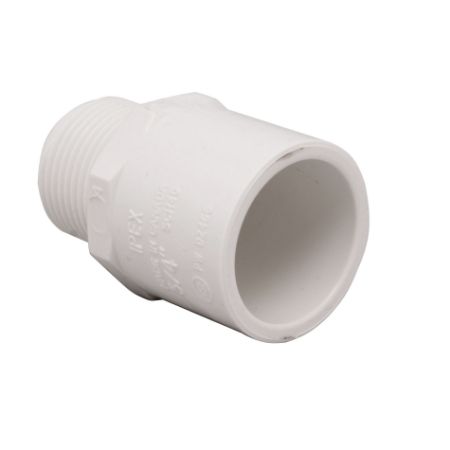 PVC Adapter, NPT Male Thread to Socket End
 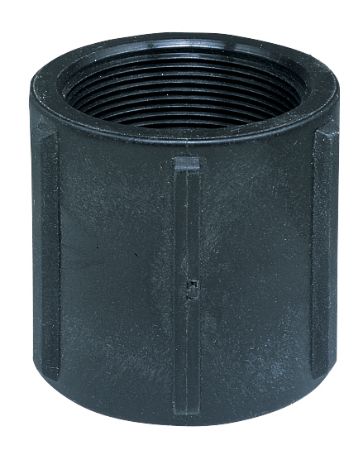 Polypropylene Threaded Pipe Couplings
  Closed Top Tank Lids
 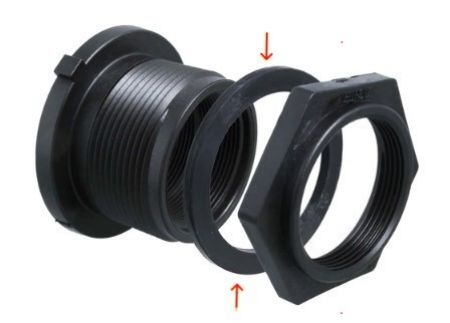 Replacement Gasket for Bulkhead Fitting
 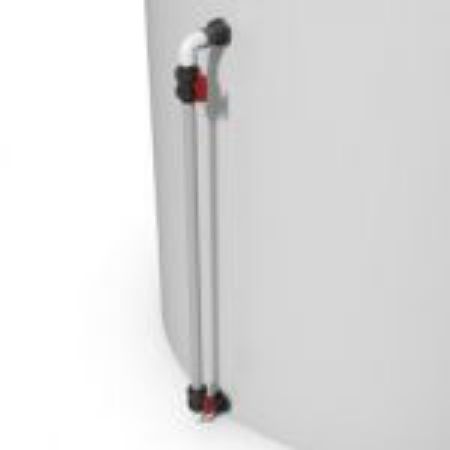 Level Indicator
  Miscellaneous accessories
 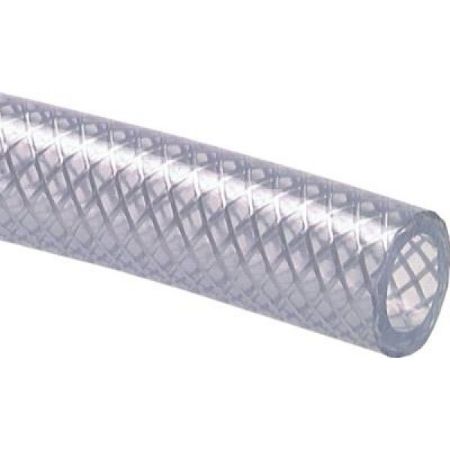 Potable Water Hoses
 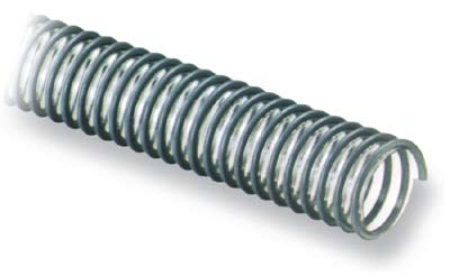 Liquid Suction and Discharge Hoses
  Liquid Discharge Hoses
  Assembled Liquid Discharge Hoses
  Fire Hose
 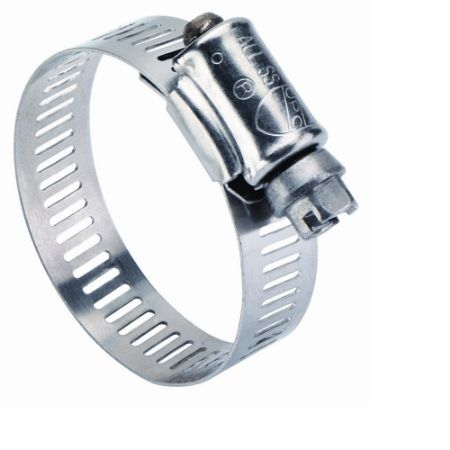 Hose Clamps
 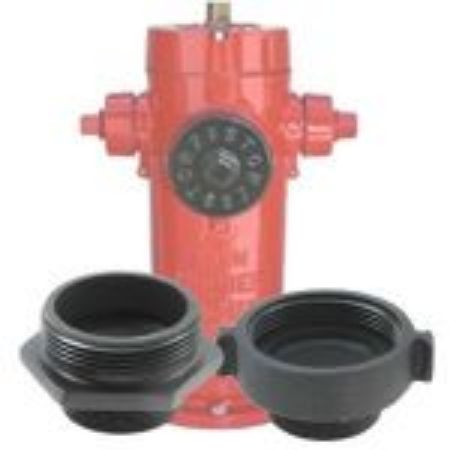 Fire Hydrant Adapters for Quebec
 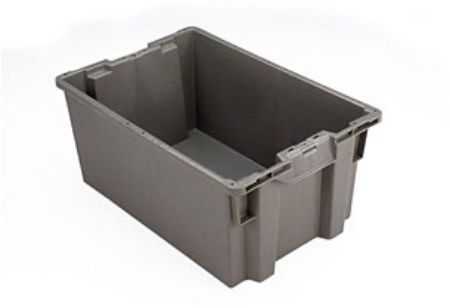 Food Grade Containers, Solid Walls and Bottom
 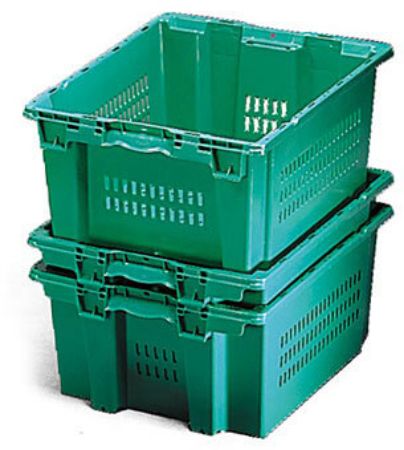 Food Grade Containers. Vented Walls and Bottom
 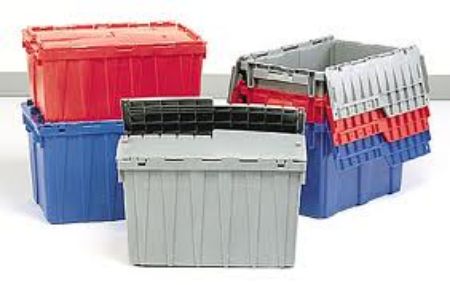 Attached Lids Plastic Containers
 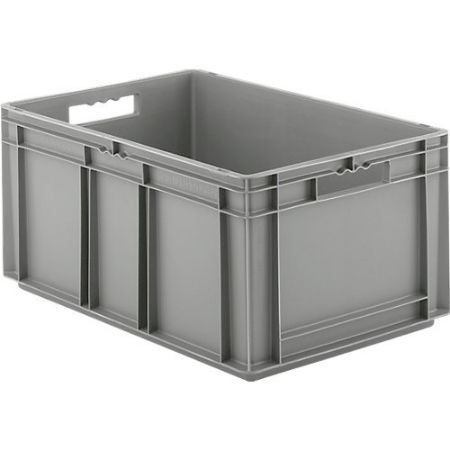 Industrial Plastic Containers, Solid Walls and Botton
 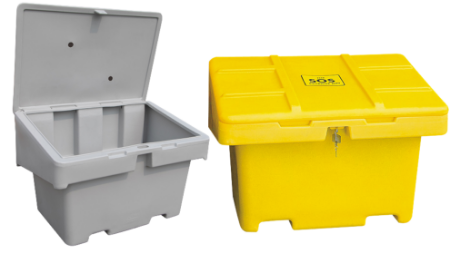 Sand and Salt Plastic Storage Bins
 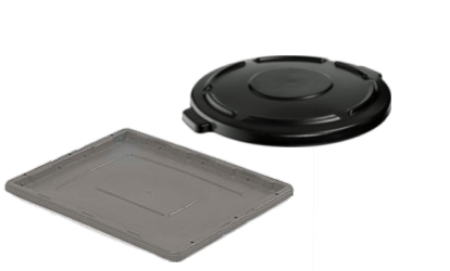 Containers - Lids and Covers
 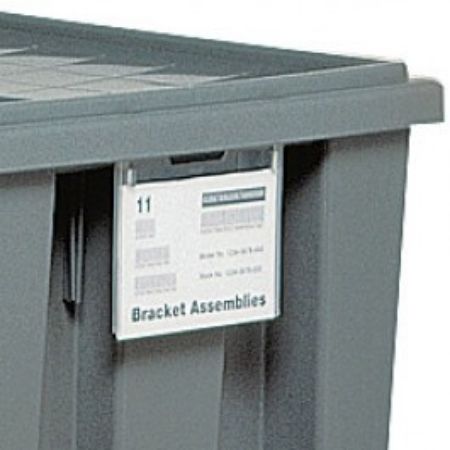 Containers - ID and Hot Stamp
 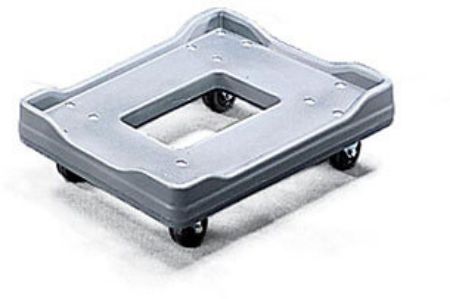 Containers - Dollies
  FDA Food Grade Plastic Pallets
 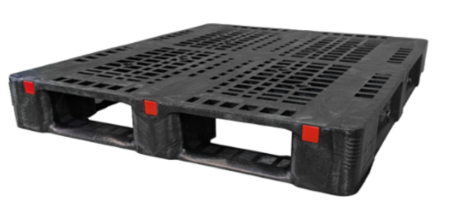 Industrial Plastic Pallets for Warehouse and Racking
 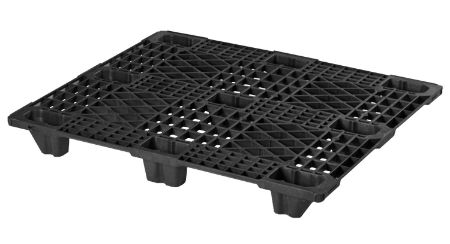 Export Plastic Pallet
 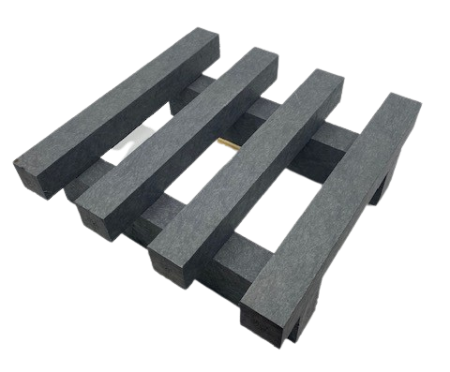 Display Plastic Pallets
 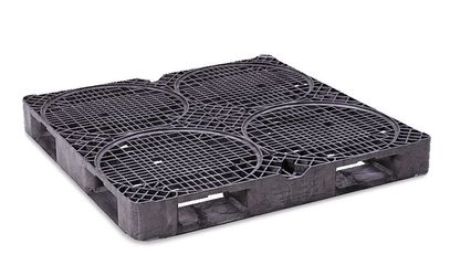 Drum Plastic Pallets
 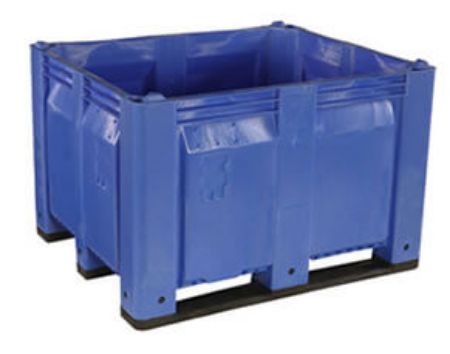 Plastic Pallet Boxes, Solid walls and Bottom
 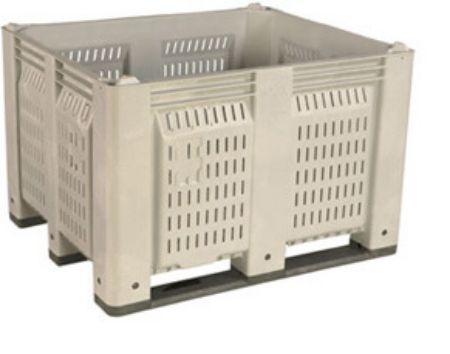 Plastic Pallet Boxes, Vented walls and Bottom
 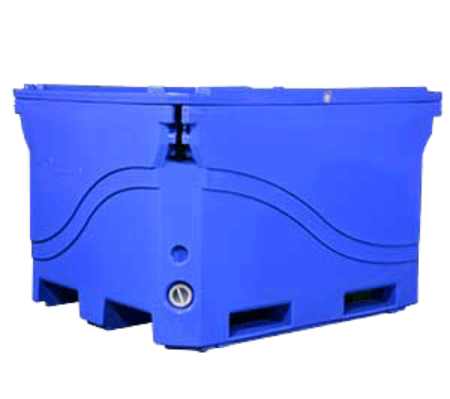 Insulated Plastic Pallet Boxes
 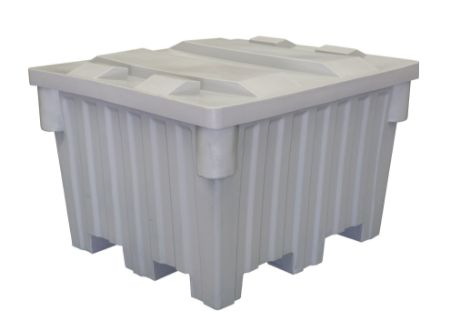 Tapered-wall Pallet Boxes
 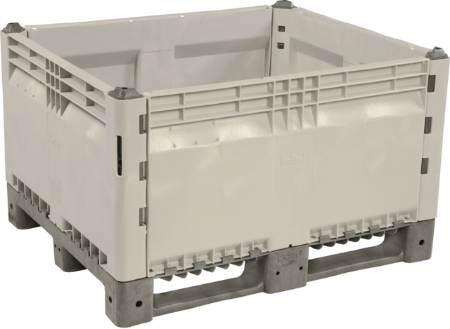 Removable walls Pallet Boxes
 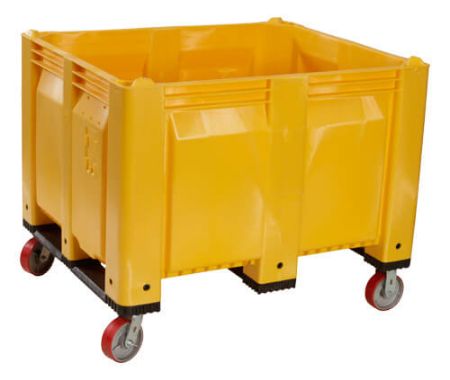 Pallet Boxes on Casters
 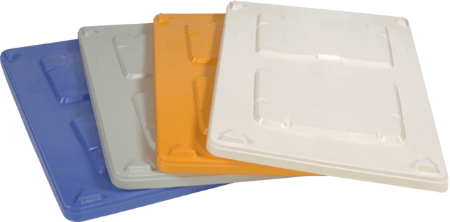 Lids - Pallet Boxes
 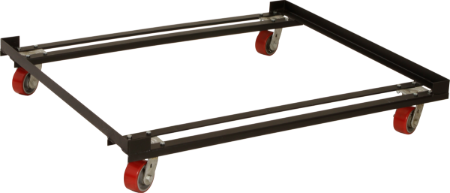 Pallet Boxes Bin Cart
 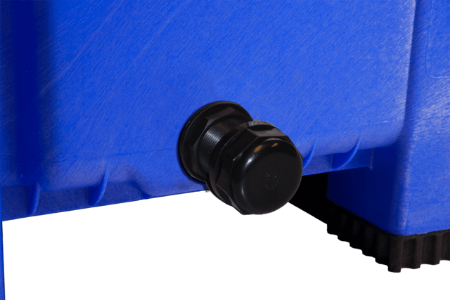 Drain Option for Pallet Boxes
 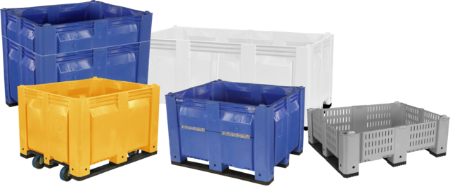 Custom Plastic Pallet Boxes
  Food Grade Buggies - FDA Carts
 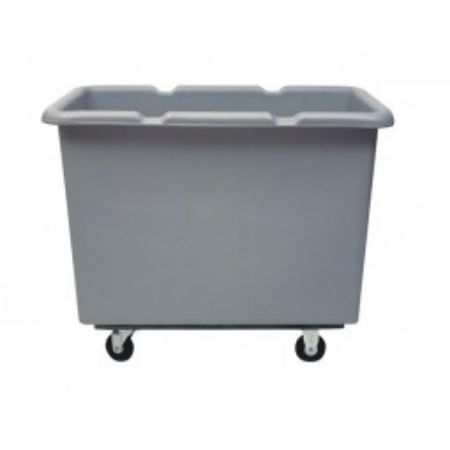 Industrial Poly-Box Trucks
 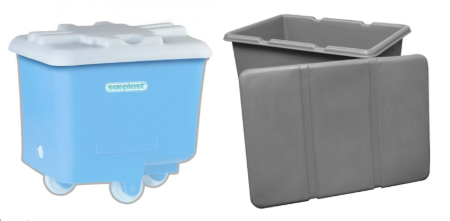 Carts Options and Accessories
 PLASTIC TANKS: How to Choose the Right Tank for Your Application, Liquid Density, Accessories and Regulatory Requirements
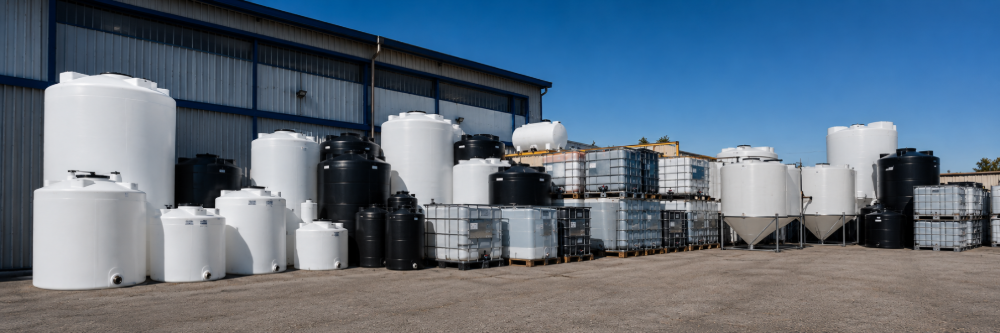
PLASTIC TANKS: CHOOSING THE RIGHT MODEL AND ACCESSORIES TO AVOID COSTLY MISTAKES
The tank is installed. The connections are complete. The product has been transferred and everything appears to be running normally.
Then, a few weeks or months later, problems start to surface: unusual deformation, a leaking fitting, difficulty cleaning, an inspector flagging a missing certification or a product that turns out to be incompatible with the tank material.
In many cases, the problem doesn't originate from the tank itself. It comes down to a single detail that wasn't verified at the time of selection: the specific gravity of the liquid, chemical compatibility, regulatory requirements, accessories or actual operating conditions.
In this guide, we'll cover the criteria that genuinely drive plastic tank selection: NSF/ANSI 61, FDA and ASTM standards, the different tank types available, chemical compatibility, specific gravity, essential accessories and the most common mistakes observed in the field. The goal is straightforward: help you choose a tank that fits your application and avoid compliance, performance and durability issues after installation.